
Designing for honest feedbackthe Curious George app suite
Building a suite of learning apps for children who could not yet read taught me more about unfiltered observational usability testing. Children tell you what they really think of your app!
DÓNAL O'MAHONY · DESIGN STUDIO MANAGER TO DIRECTOR OF UX & DESIGN, HOUGHTON MIFFLIN HARCOURT
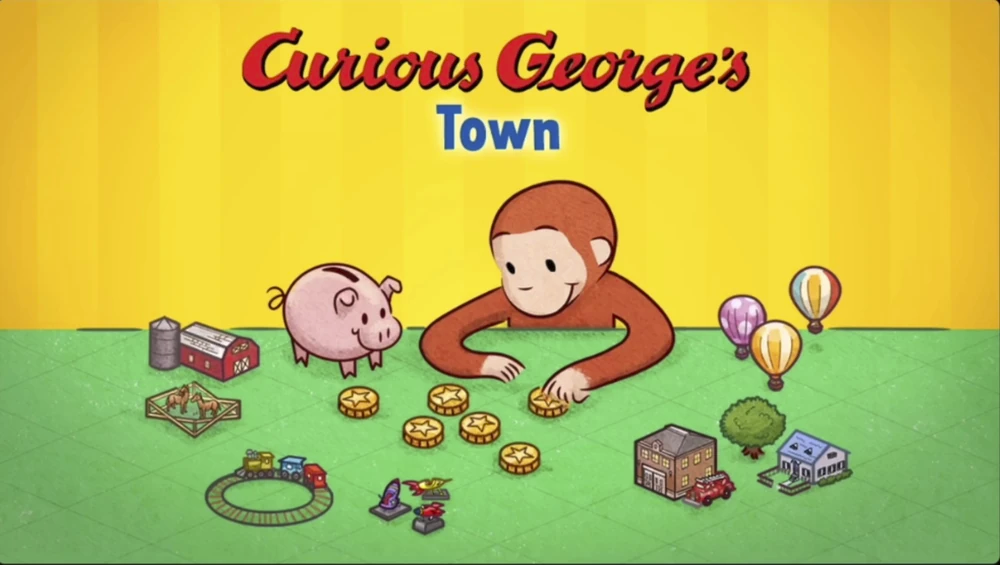
Context
I joined Houghton Mifflin Harcourt as Design Studio Manager, working with Emmet O'Neill, then Director of Design. I led UX on Curious George's Town & Curious George Train Adventures, two of the many award-winning apps we released in the suite. When Emmet left to become CEO of StoryToys, I became Director of Design & UX, leading a 30-person UX, UI and AV team across Dublin, Boston and Montreal. The apps were created by a small team of gifted designers, illustrators and mobile developers in Dublin, Ireland.
Design digital experiences that a three, four or five-year-old could use without help, without text, and without a single onboarding screen.
Build a research practice that could observe rather than prompt.
Design apps that would delight preschoolers and parents!
- Downloads
- 1M+in the first month, Curious George at the Zoo
- App Store ranking
- No. 1in the Education category
- App Store Hall of Fame
- 30 of 700,000+new inductees that year, out of more than 700,000 apps in the store
Designing without words
A preschooler cannot read a label, will not tolerate a help menu, and has no memory of “how apps usually work.”
If an interaction is not obvious within a few seconds, they do not go looking for an explanation. They put the device down and move on to something else.
A three-year-old cannot be led.
You cannot ask a leading question and get a polite, considered answer back. You can only hand them the prototype and watch where their fingers go.
Three products, one design discipline
Curious George at the Zoo
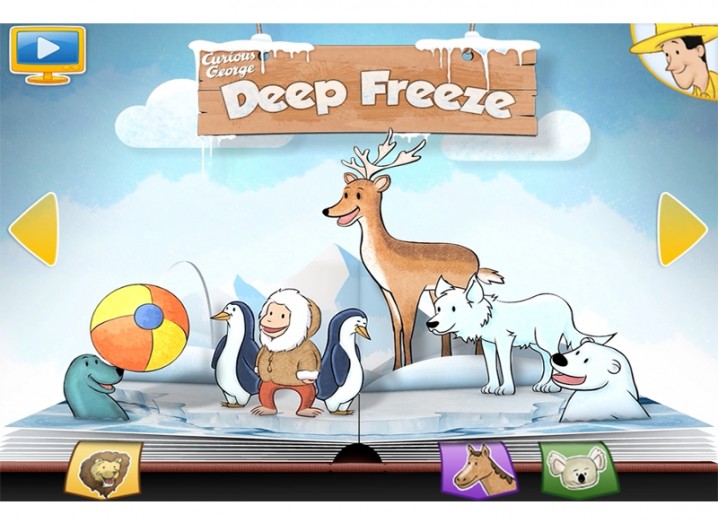
An interactive pop-up zoo where children wake, feed and clean the animals, aimed at two to six-year-olds. We built the whole thing around multi-touch gestures and simple physics rather than menus: rub to clean, tap to wake, drag to feed. Voice cues from "The Man with the Yellow Hat" did the job that on-screen instructions would normally do, so a child who could not read still knew what to try next. We later added a "Deep Freeze" habitat, extending the same gesture language to a new set of animals rather than teaching a new one. The app passed a million downloads in its first month, reached number one in the App Store's Education category, and was inducted into the App Store Hall of Fame, one of thirty new inductees that year out of more than 700,000 apps in the store.
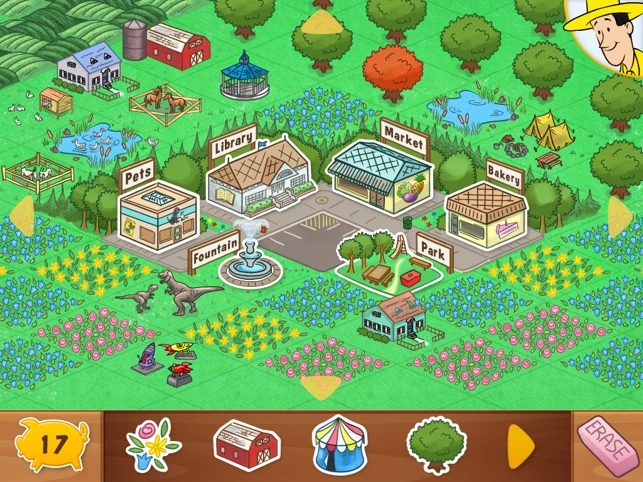
Curious George's Town
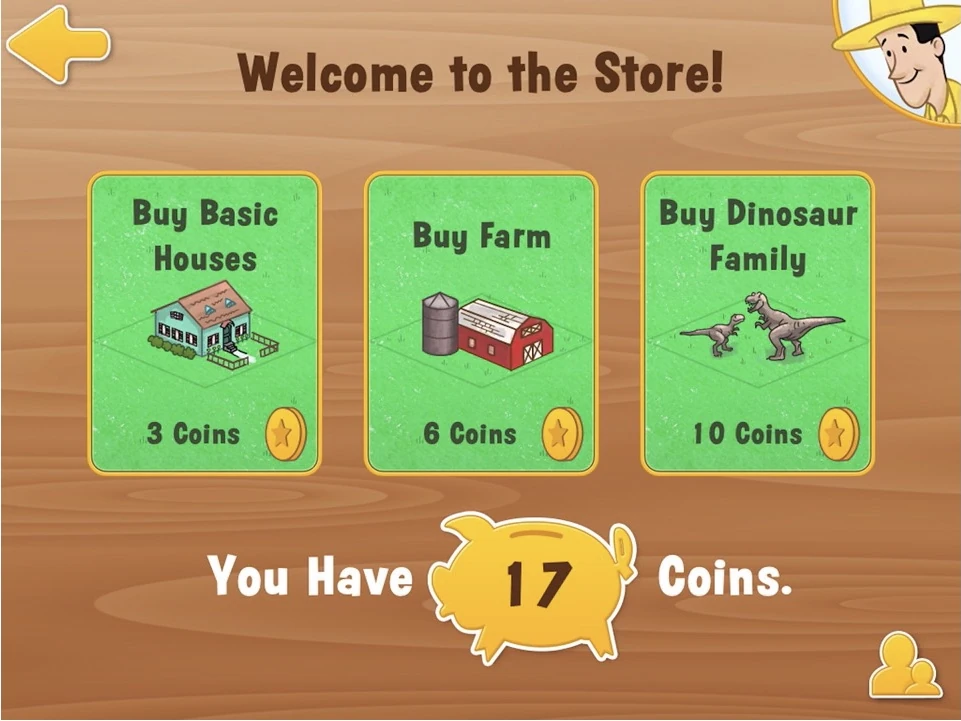
Built to introduce saving and spending, in a form a young child could actually grasp: children earned coins for small in-app tasks and spent them building their own town. I paired this with a parent dashboard so a real-world task, like tidying a room, translated into the same in-app reward, the link the Children's Technology Review picked out as distinctive when it reviewed the app.
Curious George Train Adventures
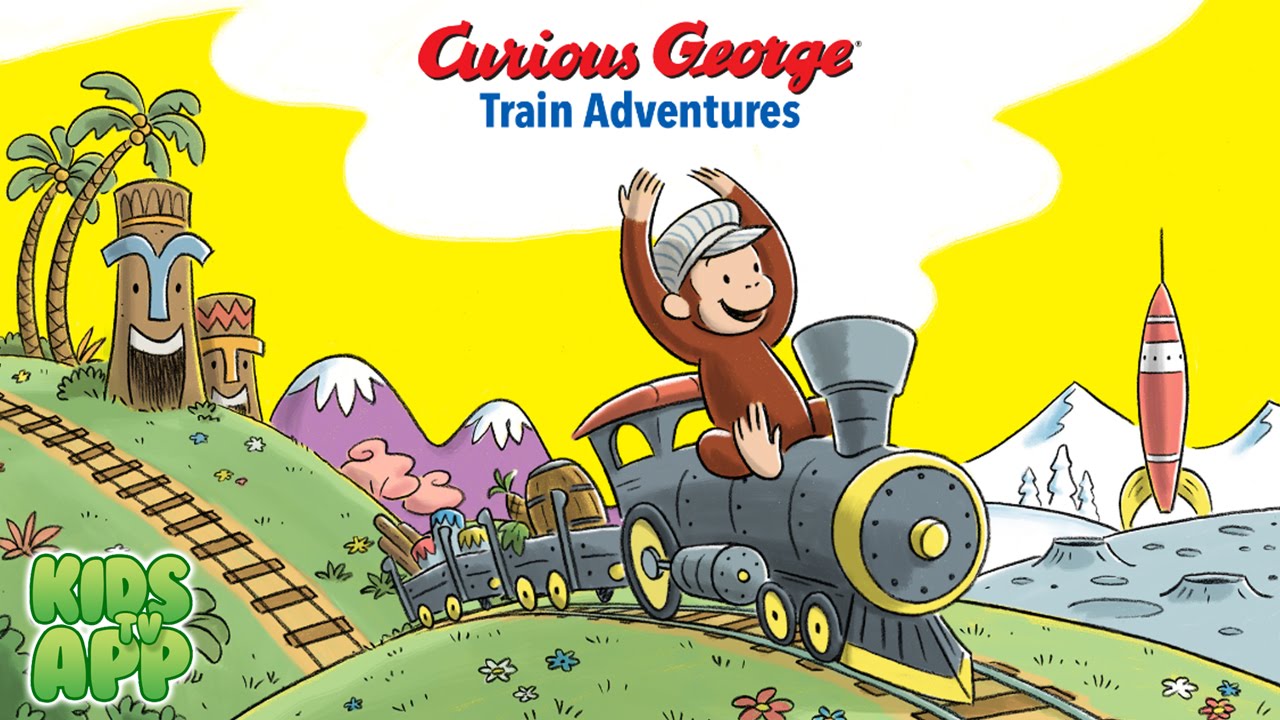
In Train Adventures children controlled a train's speed to clear obstacles and solved simple physics puzzles, raising bridges and opening gates, across a series of levels that got harder as a child's confidence grew. This one was about early problem-solving: could a child work out cause and effect for themselves, with no instruction beyond what the puzzle showed them.
The research: labs and living rooms
The formal side ran through normal user testing sessions in house, watching small groups of preschoolers work through early prototypes to settle the gesture language itself, for example whether a child would drag an object or just tap it and wait. The informal side happened at home. The first two of my three children were born during this exact period, and they became an unplanned but constant second research panel, watching our prototypes get used in an ordinary living room with no lab, no camera and no sense of being observed. That is a very different environment from a usability lab, and it taught the team things a lab session never could: how a child's attention actually drifts, what makes them come back to the same interaction a second and third time out of genuine curiosity rather than compliance.
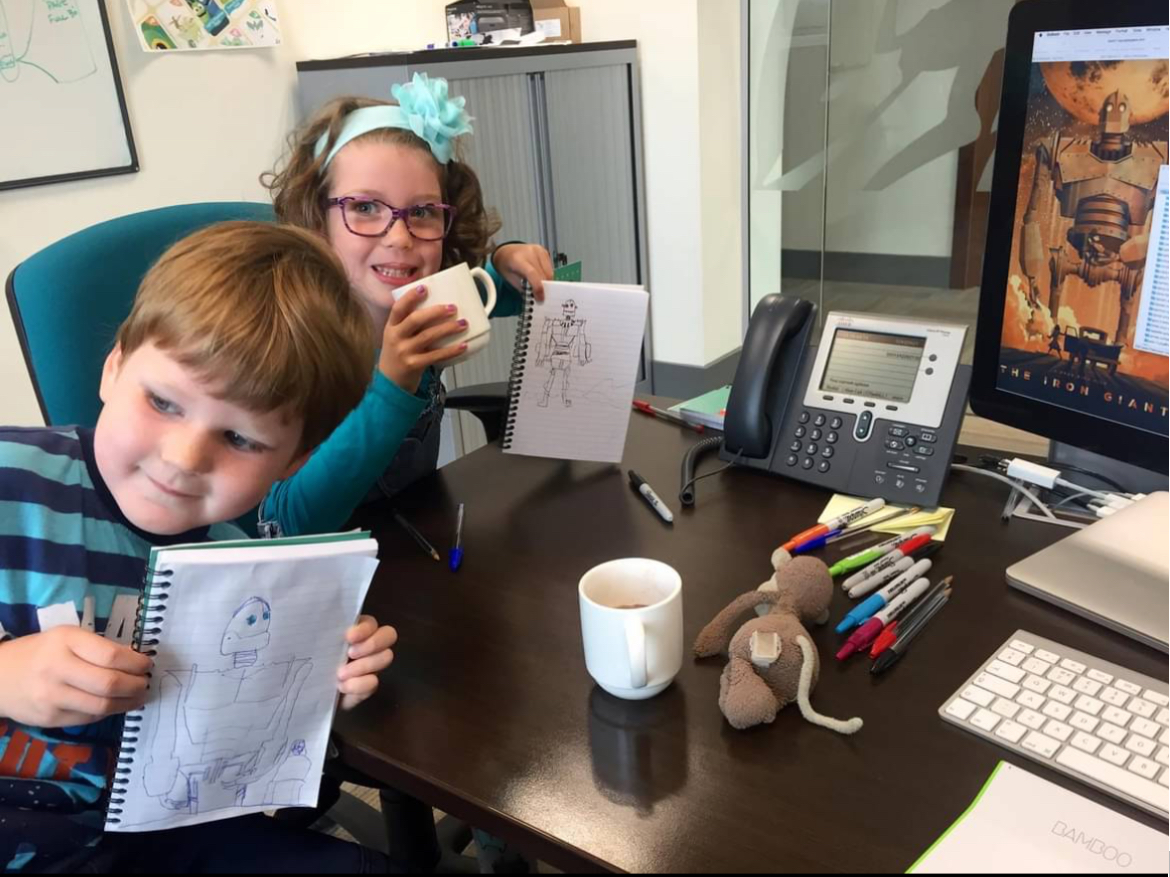
Between the two, we had a research discipline built on watching rather than asking, which is exactly what a pre-reading, largely pre-verbal user group demands. It is a discipline I carried into every UX team I built afterwards: the belief that a genuinely honest read on a design comes from observing behaviour, not from a rating scale.
Where it led
This period changed the direction of my career more than any single project before or since. Watching how directly a small child's behaviour exposed the strengths and weaknesses of a design gave me a real appetite for user research as a discipline in its own right, which is what led me to complete a Master's degree in User Experience with a specialism in research methods. The muscle built here, running structured usability studies alongside genuinely unguided observation, and treating universal design as a starting constraint rather than an afterthought, is the same muscle I later used to build and lead larger UX teams.