
I joined Fleetmatics, now Verizon Connect, as Senior Director of UX Design, Content and User Research. It was a telematics fleet-tracking business. During my time there, it became an easy-to-use, modern AI and IoT company. This case study covers one product line central to that change: a video safety product that first had to earn customer trust.
The evolution of Verizon's AI dashcamfrom a hackathon entry to a life-saving system drivers trust
DÓNAL O'MAHONY · SENIOR DIRECTOR OF UX DESIGN, CONTENT & USER RESEARCH, FLEETMATICS / VERIZON CONNECT 2016-2022 · THIS INITIATIVE 2020 TO 2022
A 2020 hackathon idea became a video safety product. Research and a major redesign established customer trust. In 2022, we launched a driver-facing AI dashcam that saved a life in its first week.
Before and after
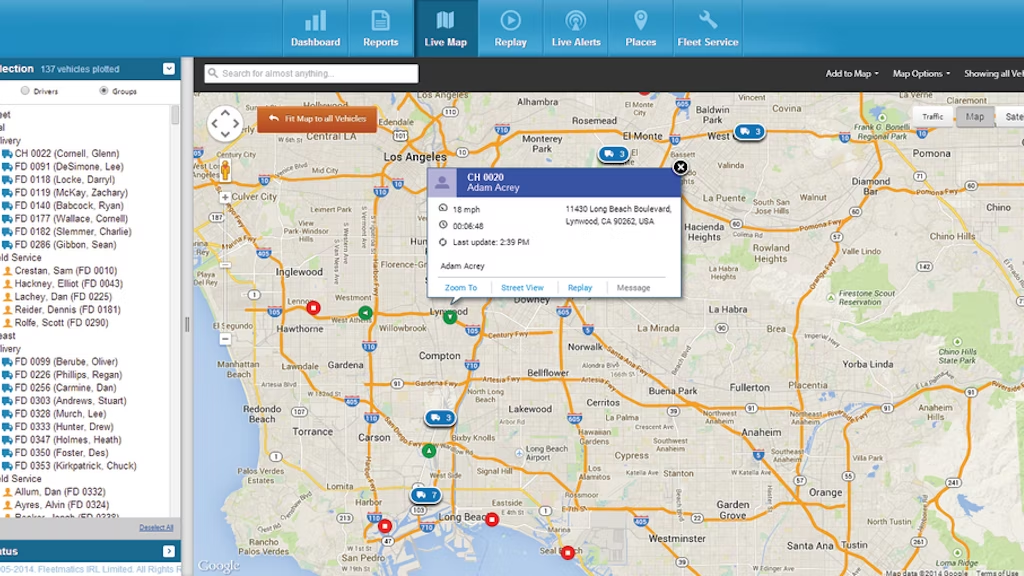
The two screens below show the change in the product during my time as Head of the global UX Design, Content and User Research team.
Before
Legacy telematics tracking
After
Modern AI and IoT product
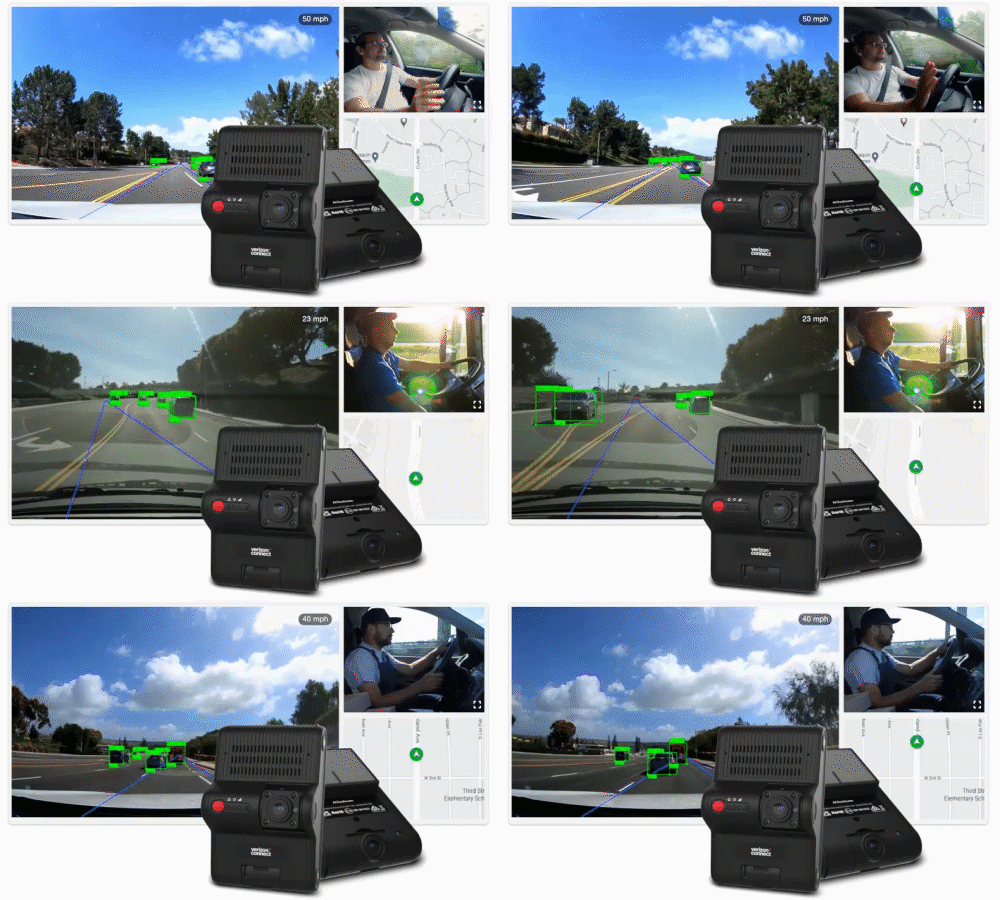
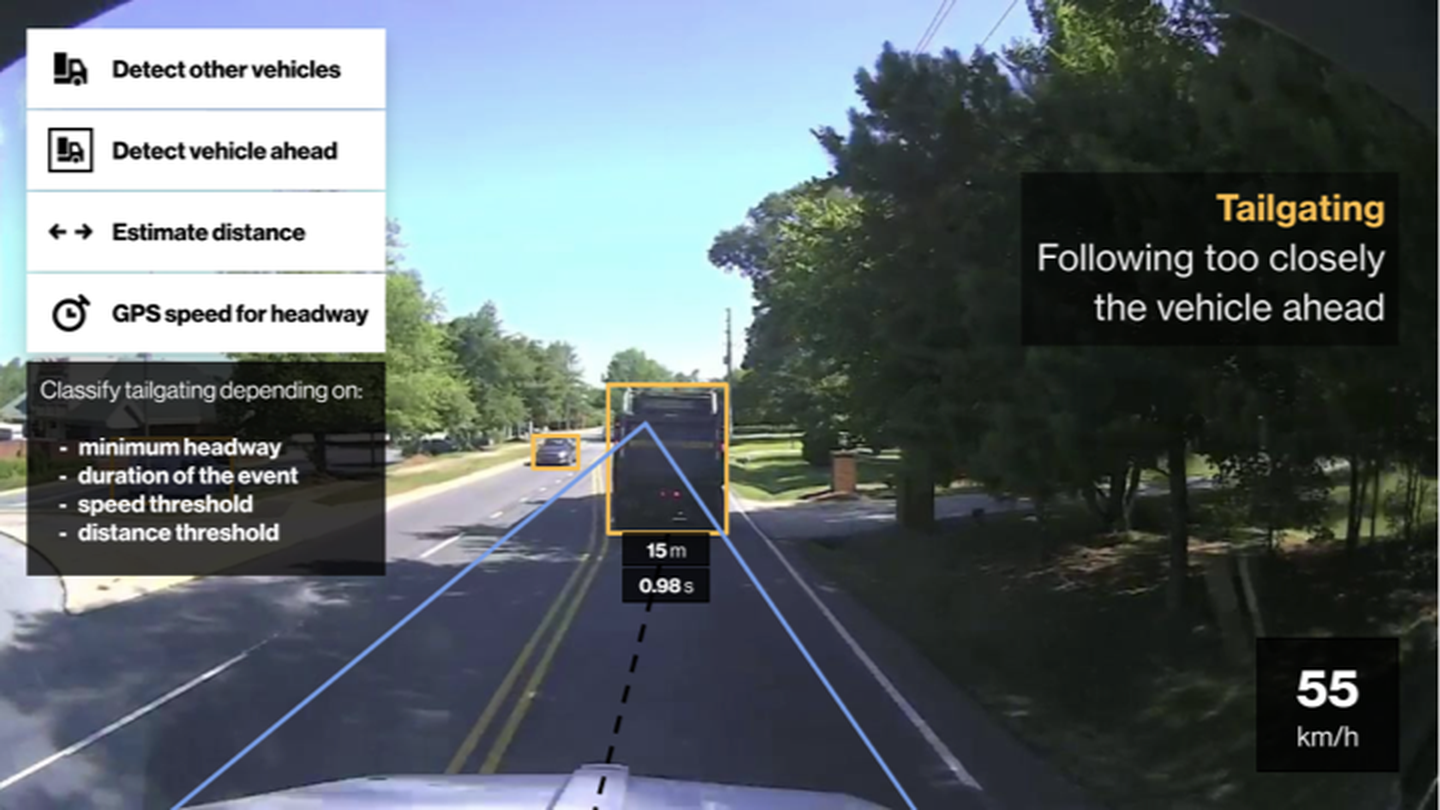
Computer vision - The AI spark
The idea came from a hackathon, not a roadmap review. I developed the core concept with Alessandro Lori, then Head of AI and now CTO of Verizon Connect. I judged and sponsored the team before and after the event while the work was still a concept.
The decision
A few weeks after the hackathon, we assessed the idea using the Dan Olsen Lean Product Playbook: identify the customer and need, define why we should solve it, prototype the product, validate it with customers, test the business case, then decide whether to proceed.
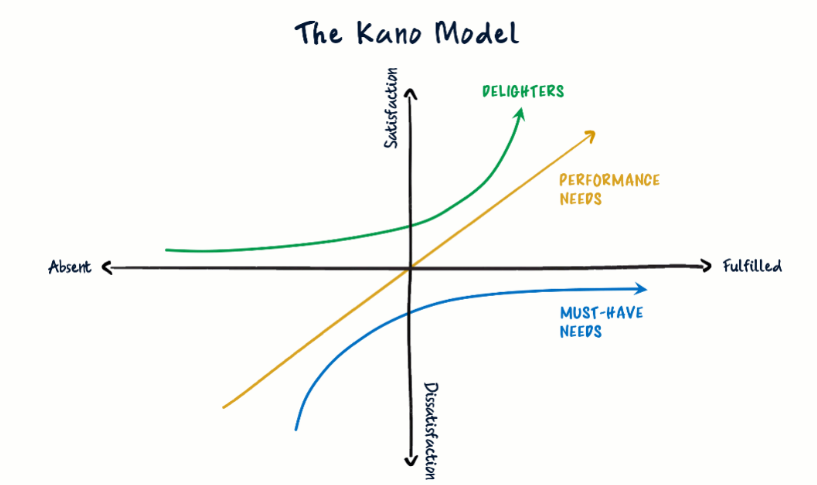
We framed the opportunity through the Kano model: reliable video evidence and an explainable safety score as the must-haves, speed and classification accuracy as the performance needs, and proactive alerts that stopped risky behaviour before it became an incident as the delighter worth chasing.
The customer need was concrete. Fleet managers were facing steadily rising insurance costs, needed evidence of liability when incidents happened, and were struggling with unsafe driving they had no reliable way to catch. What they had access to at the time, simple 3rd party dash cameras, separate map replay and generic safety-score reports, was meeting that need poorly or not at all. We set out to unify that experience. The opportunity was a multi-hundred-million-dollar market with a clear revenue target. It justified a significant multi-year investment. The hackathon idea became a funded roadmap item.
What shipped first
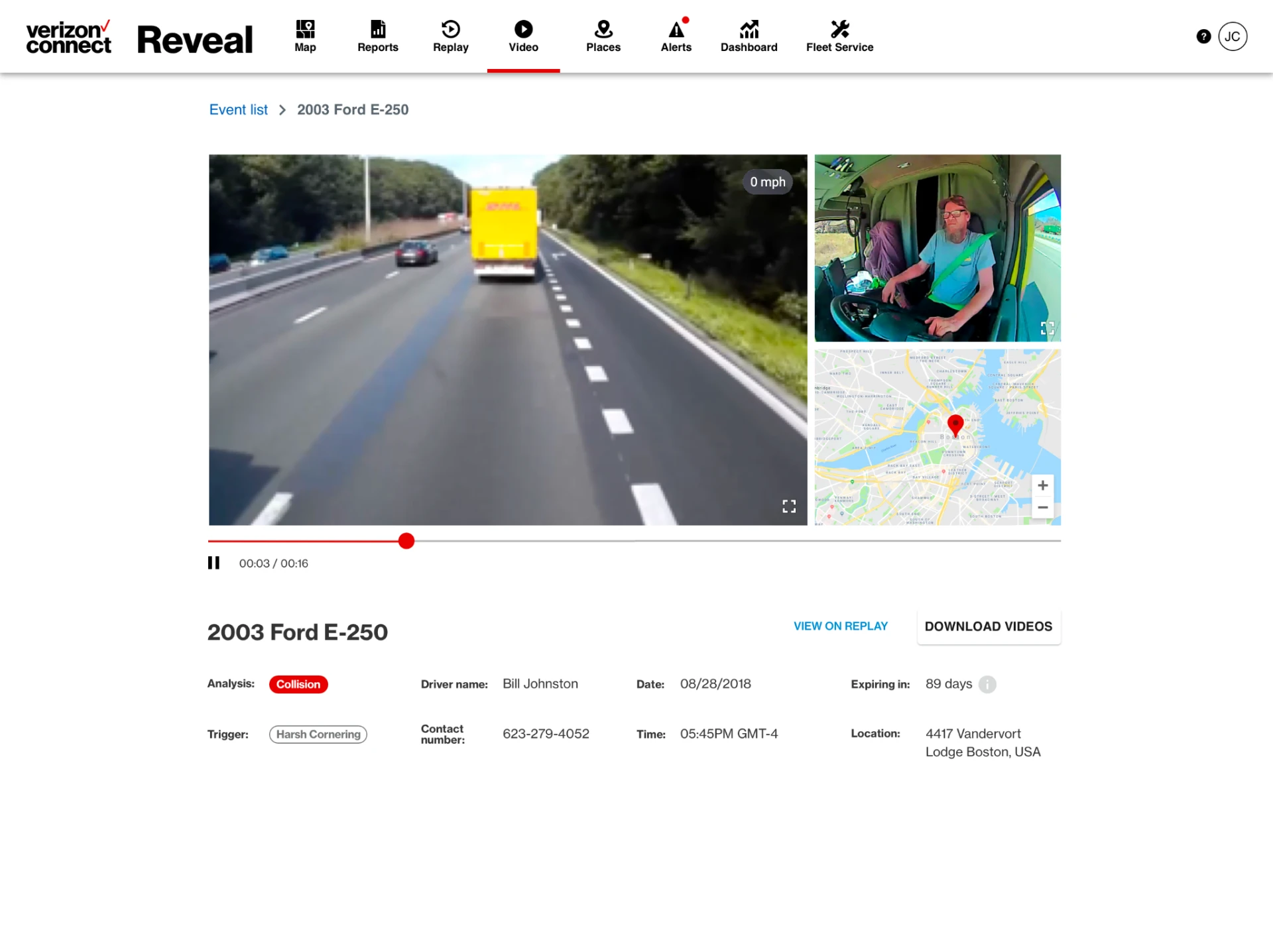
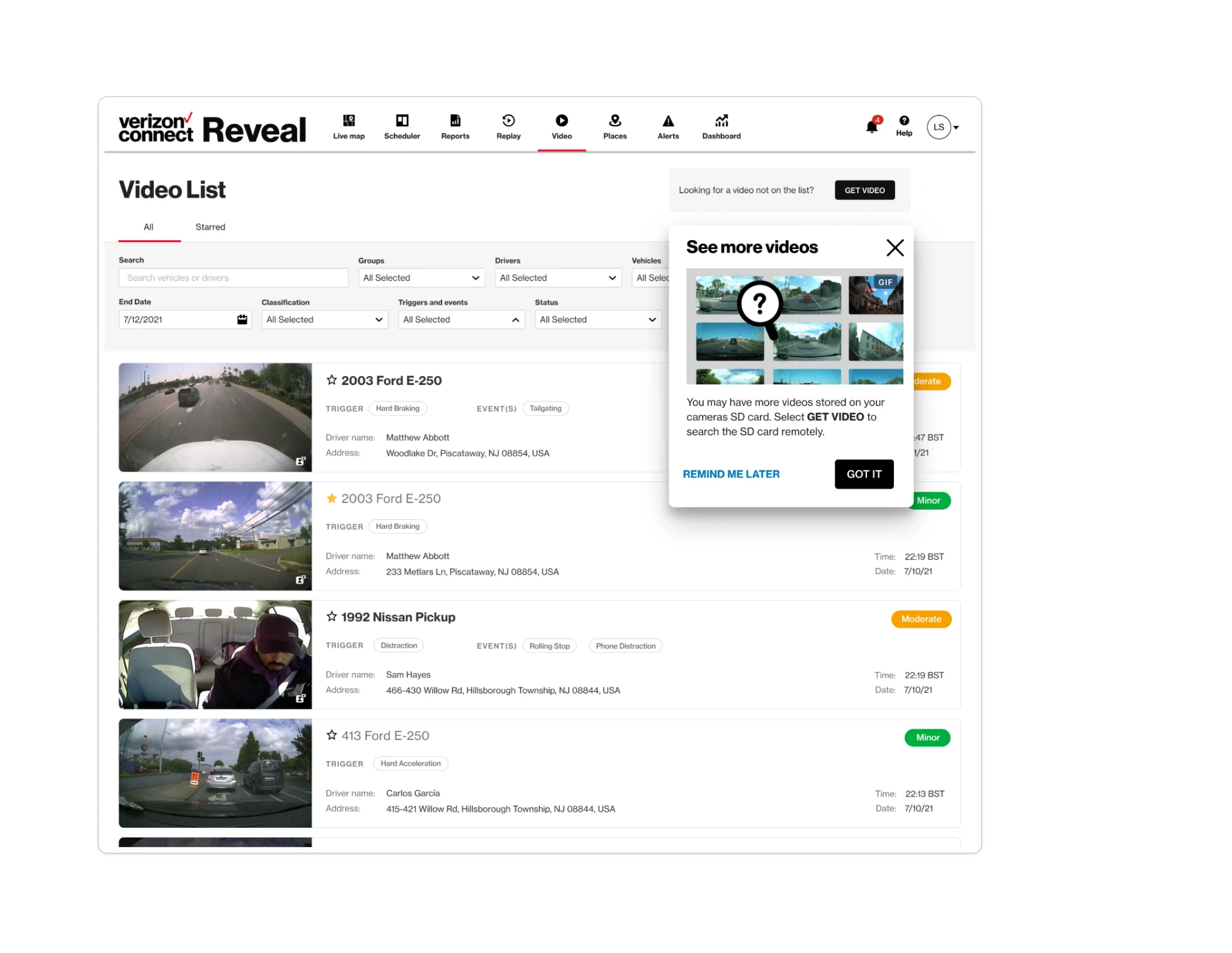
The Integrated Dashcam MVP launched with a video browser, map replay, a mobile app and alerts. It worked, but customers did not yet trust it.
The trust problem
Behind the scenes, computer vision and AI models were auto-categorising thousands of hours of footage for fleet managers: collisions, phone use, tailgating, hard driving and more.
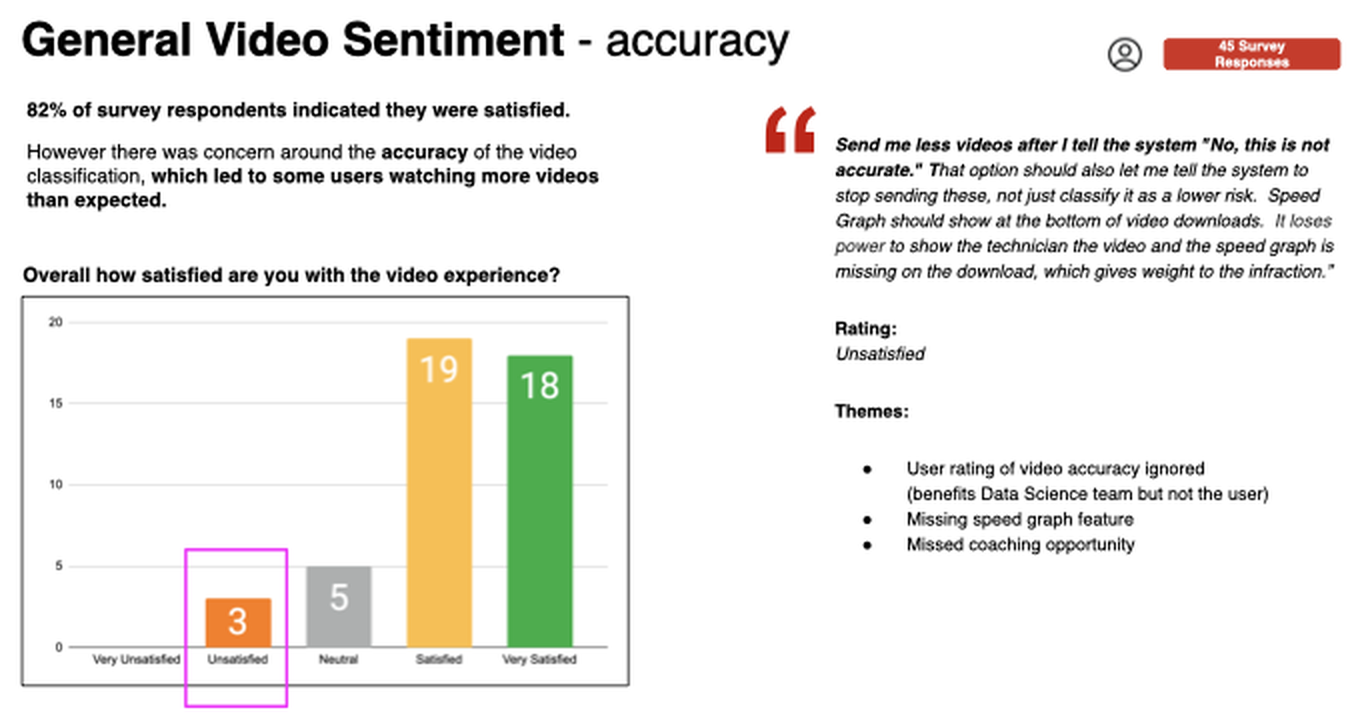
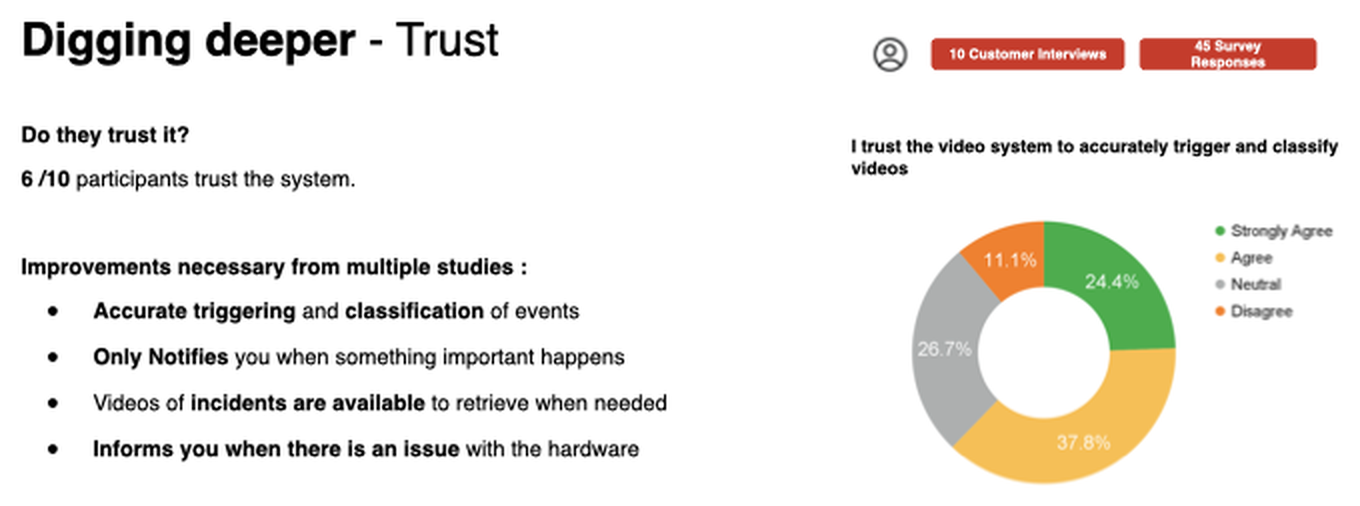
Users could rate the accuracy of those categories directly in the product, so we had a constant feedback loop. The feedback revealed a deeper problem: trust in the categories themselves was low. A classification that managers second-guessed was not saving them time; it was creating more work.
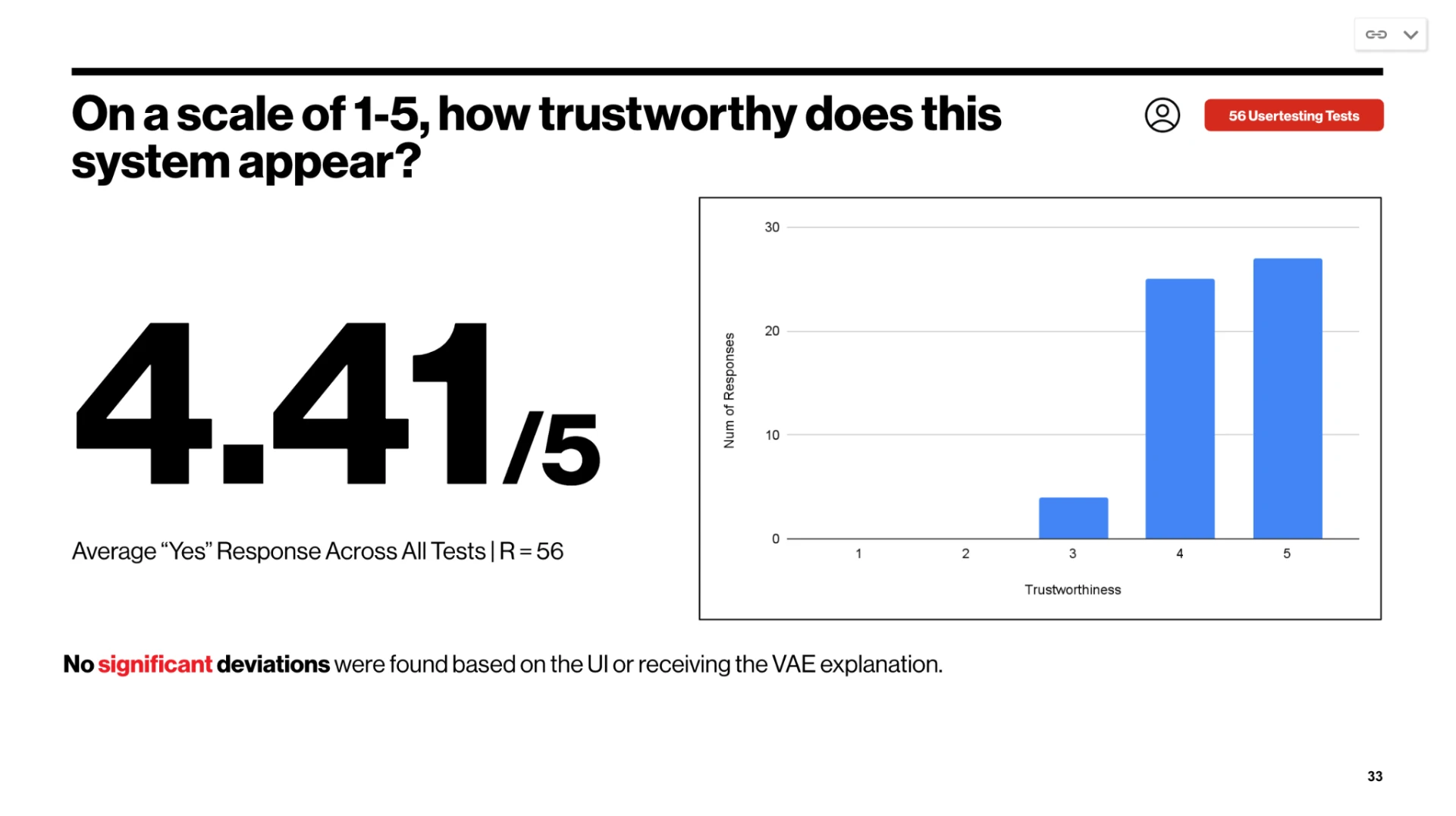
82% were satisfied overall. Only 6 out of 10 trusted the system to classify what it was showing them.
Customers who did not fully trust the classification started watching videos they did not need to, just in case. Eight in ten said they normally skipped reviewing minor events, and the two in ten who did found it time-consuming, precisely because they did not trust the system to have called it right the first time.
82%
satisfied with the product overall
6 / 10
trusted the event classification
8 / 10
avoided reviewing minor events
The fix
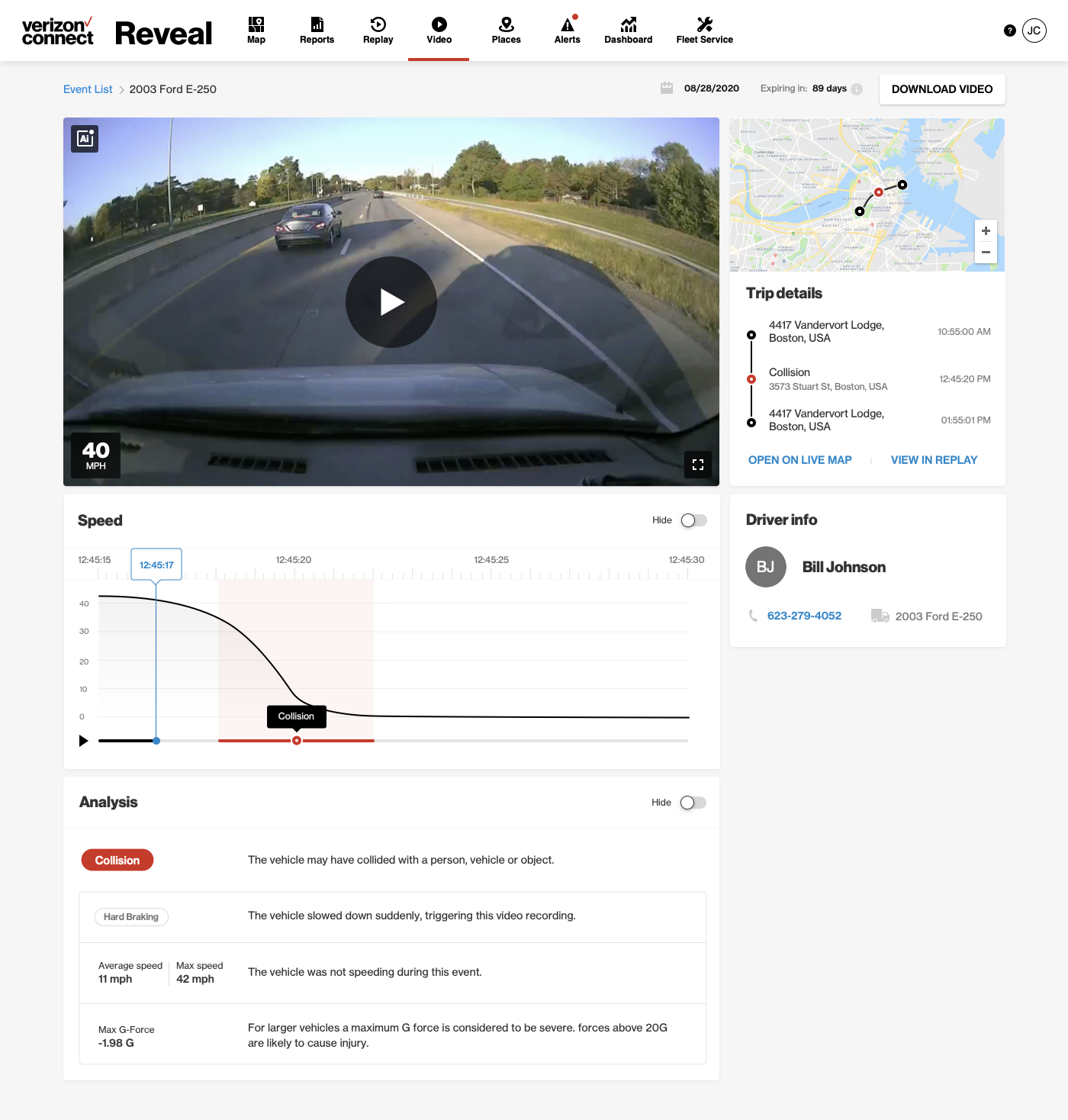
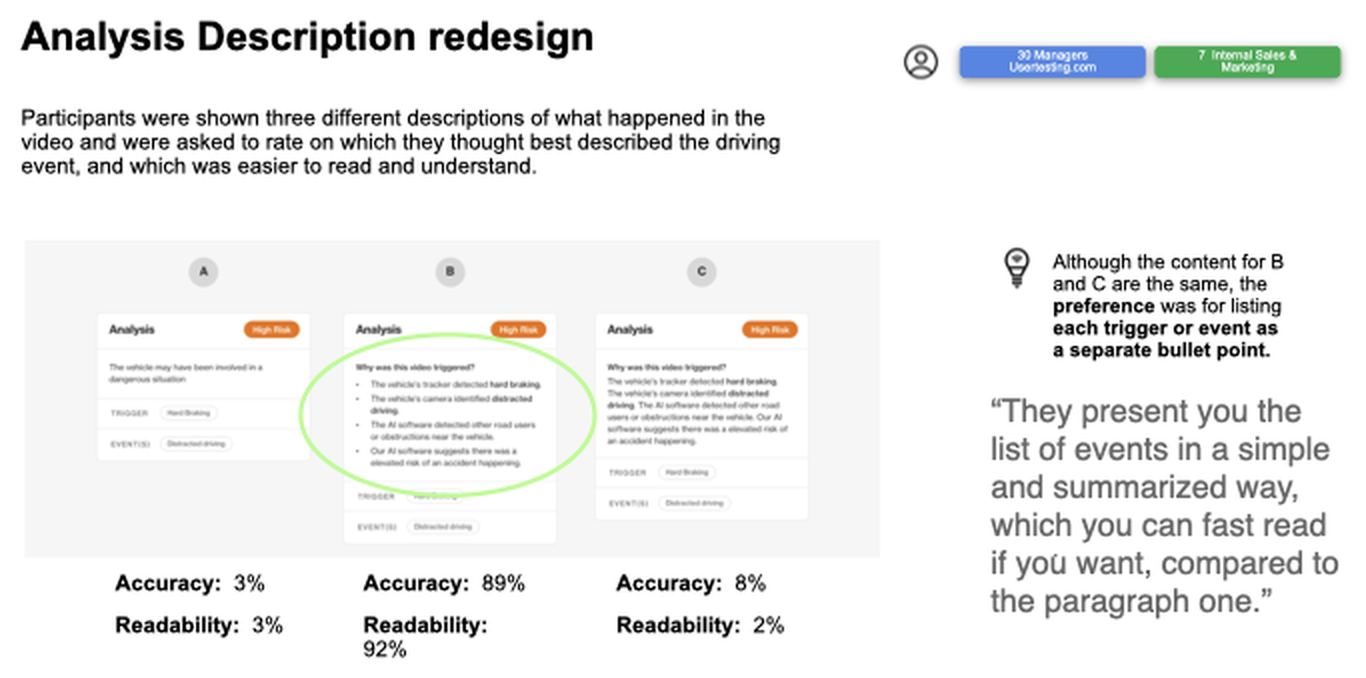
We rebuilt the alert language and severity scale from scratch. The original set, collision, dangerous, hard driving, low risk, had been arrived at by committee, and it showed. We tested three different ways of describing what happened in a video with 30 fleet managers on usertesting.com plus 7 internal sales and marketing reviewers: a paragraph description, and two different bulleted formats.
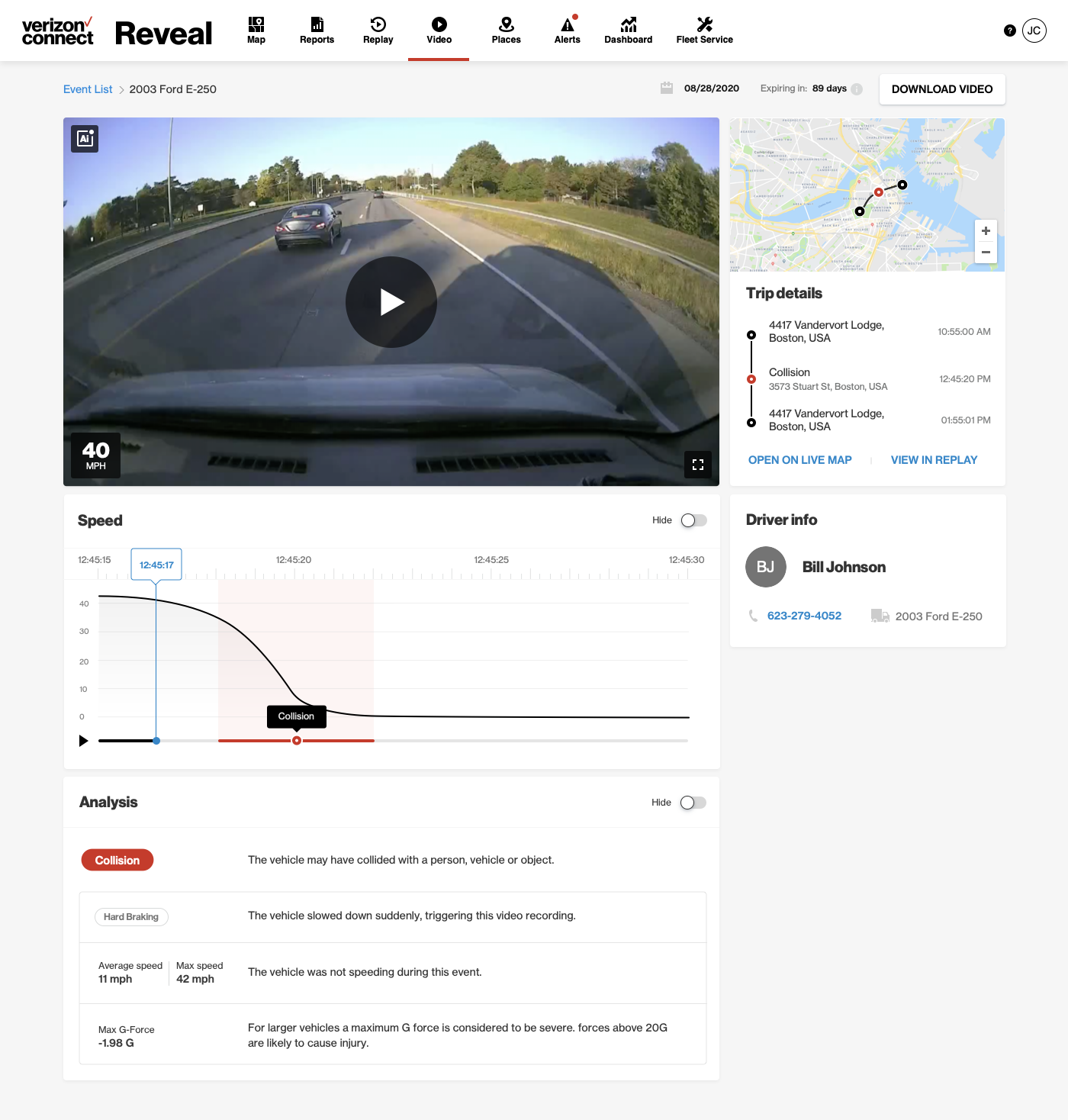
The result was decisive. The clear bulleted version reached 89% preference on accuracy and 92% on readability, against single digits for the paragraph version. We shipped the simple, bulleted language with explicit context on why an event was classified the way it was, and added a speed graph pulled from our own telematics data so a customer could see the full context of an event rather than take the system's word for it. Trust improved, and customers spent less time checking minor videos.
The ease of use, the graph to visually see what's happening... just wonderful. Not to mention all the times the camera has saved our business.
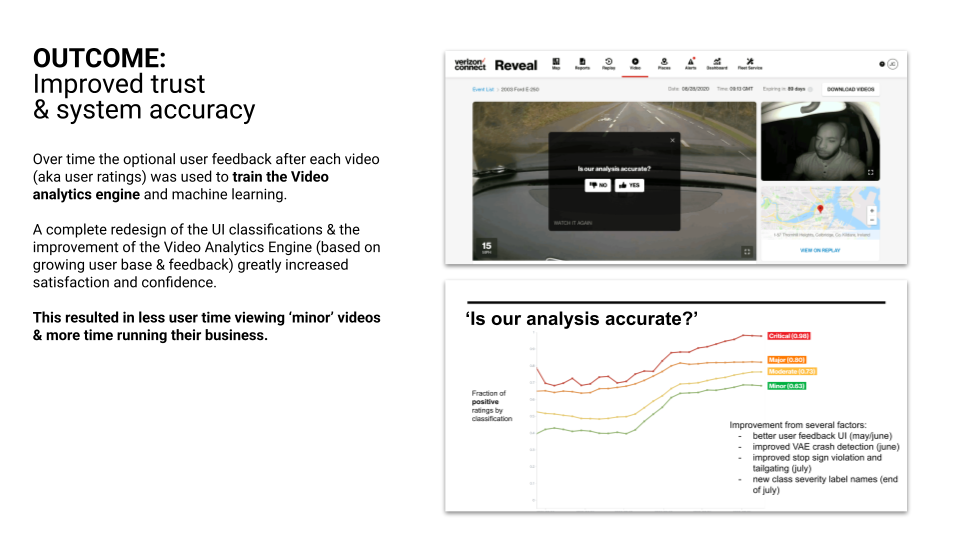
The leap
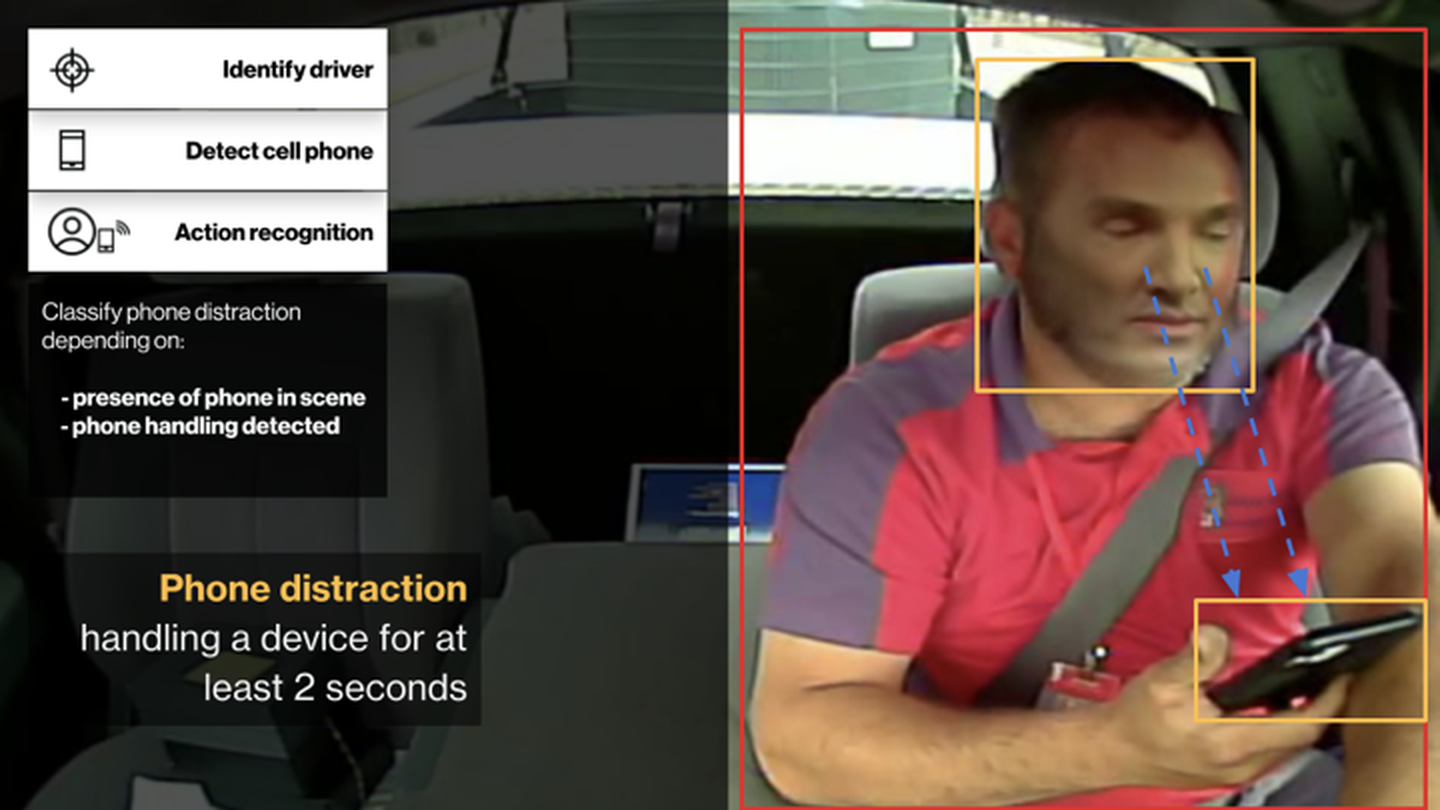
In August 2022, that trust became the foundation for a driver-facing AI dashcam with real-time early warning and in-cab coaching, built with our Data Science and ML teams. The alerts had to be instantaneous and understandable, so we designed distinct audio and voice cues for each type of risk. Matt O'Sullivan, Lead UX Designer, led this work: defining when a tone, a spoken word, or a combination of both was the right call, and how loud, how long, and how urgent each cue should feel to a driver already focused on the road.
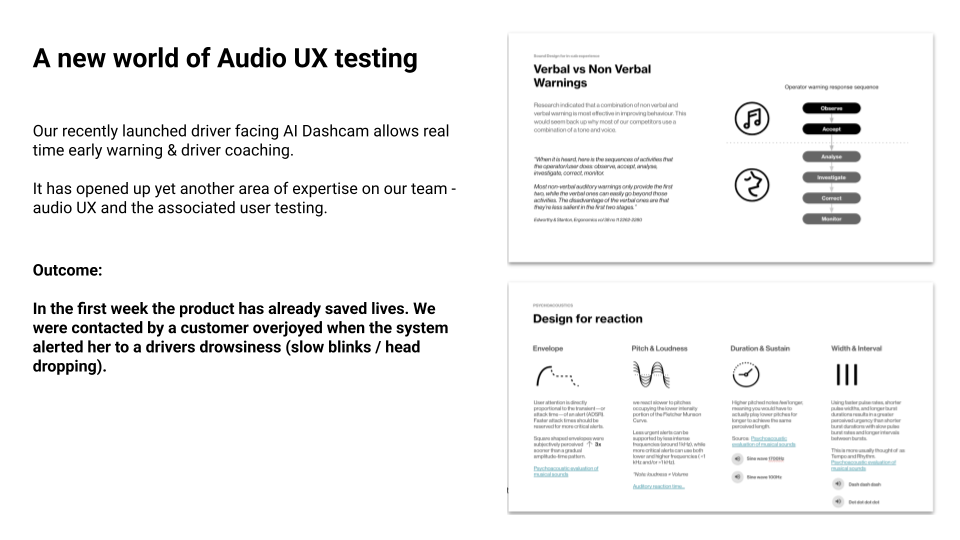
This introduced audio UX and its associated user testing to the design team. A warning a driver cannot understand immediately is worse than no warning.
In its first week, the product achieved the outcome behind the trust work. A customer contacted us after the system detected her drowsiness, slow blinks and dropping head. It alerted her before an incident occurred.
The North Star
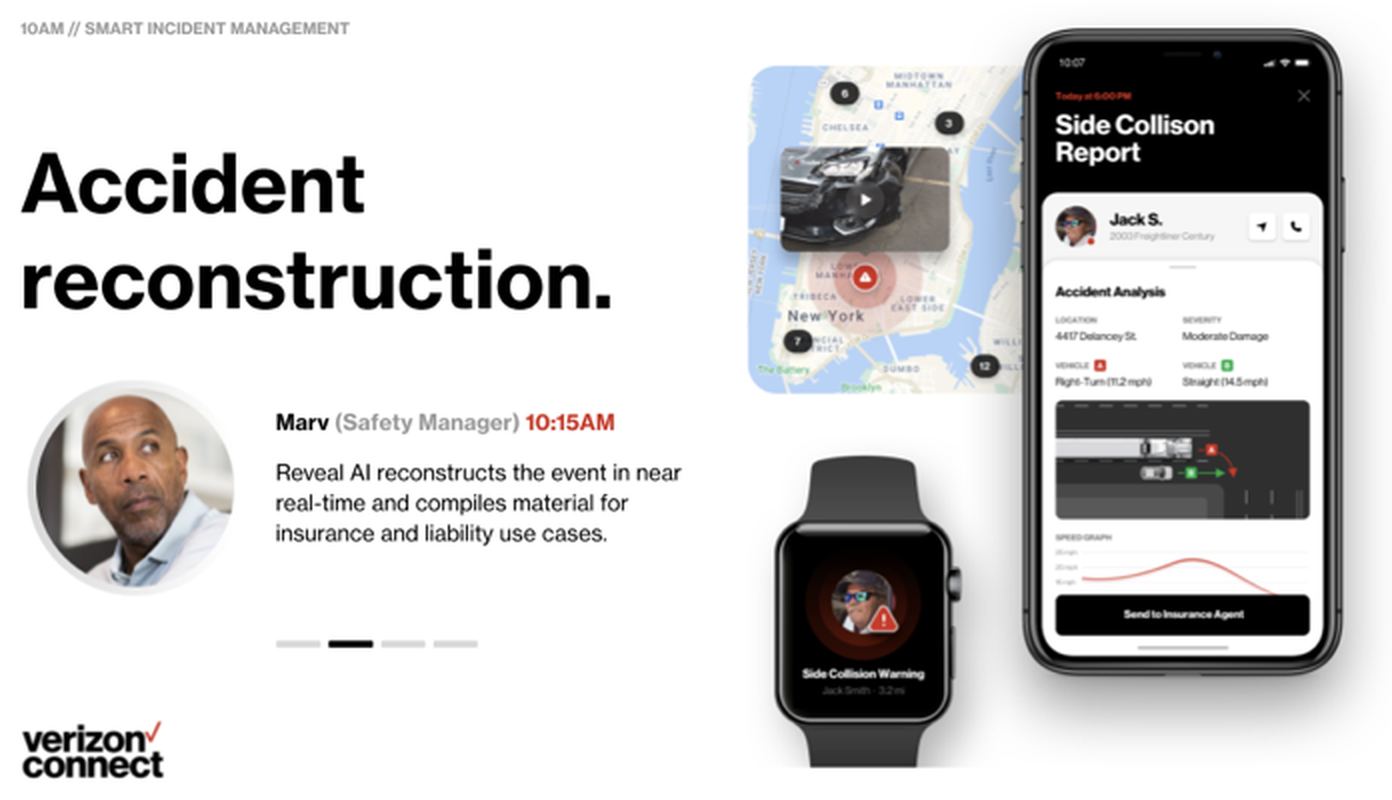
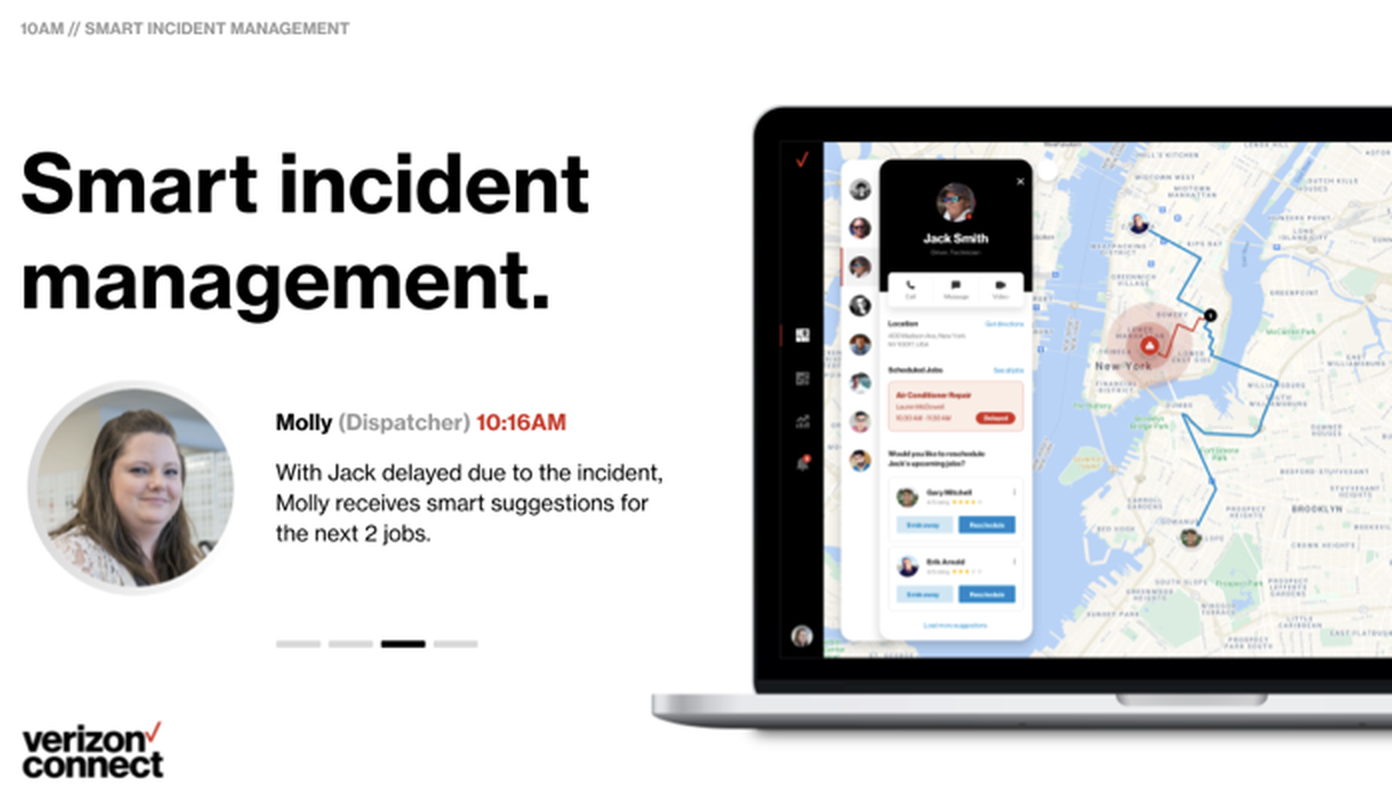
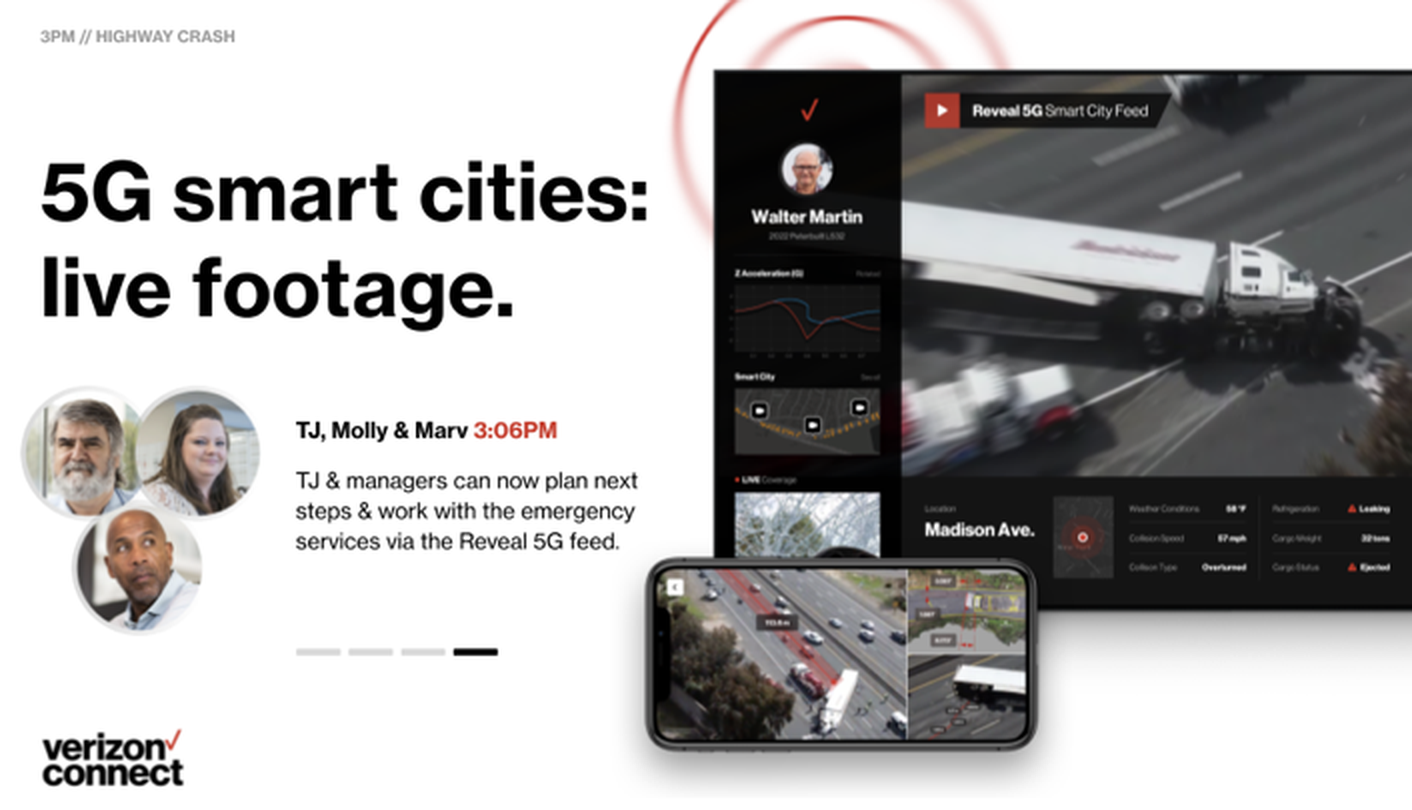
From 2023, while shipping the driver-facing dashcam, I worked with Product and Engineering leadership to define Reveal AI, a provocative North Star vision built to stretch thinking and guide debate, not a committed roadmap. It used a recurring cast, a safety manager, a dispatcher, a fleet manager, living through one continuous day, rather than a feature list, and it shaped how our research team thought about immediate versus long-range questions: Cheryl Abellanoza, PhD, our UX Research Manager at the time, wrote her own account of what that meant for a research practice, and credits the discipline on our team to this period of leadership.
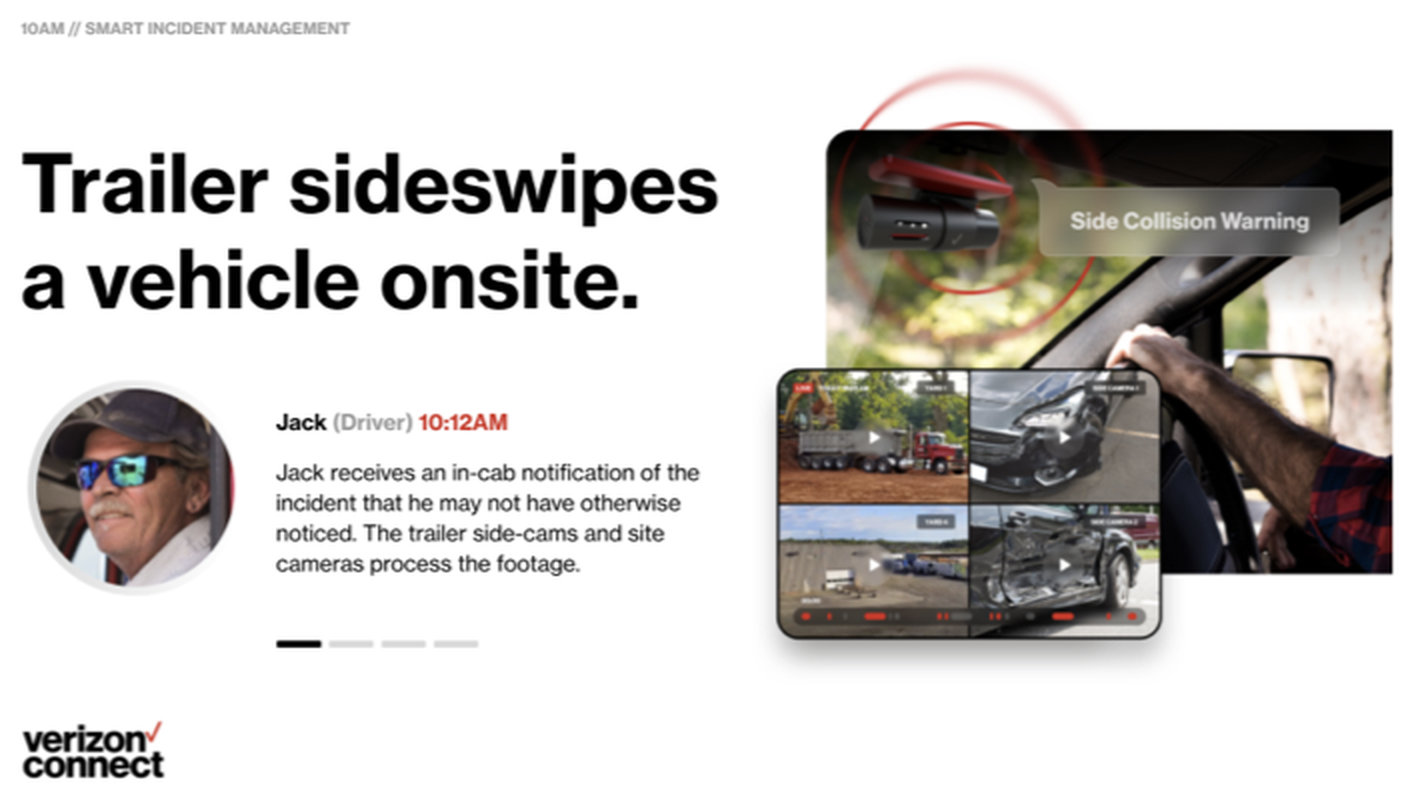
Where it stands today
The company I joined as a telematics tracking business has moved well beyond that description. This product line contributed to that change. Verizon Connect's current AI dashcam line now runs dual-facing cameras, real-time driver monitoring for phone use, smoking and fatigue, tailgating and pedestrian-proximity alerts, and up to four peripheral cameras for full 360 degree coverage. This is a significant advance from the video browser and map replay in the 2020 MVP.
60%
fewer unfastened-seatbelt incidents
60%
less mobile phone use while driving
50%
fewer tailgating and fatigue incidents
The results are now published. B.A.M. Trucking reports saving $200,000 on insurance premiums. Other customers, Nextier Infrastructure Solutions, Lincoln Hill Retirement Community and Cristo Rey Jesuit High School, describe the same outcome Ernesto described years earlier: the video was available when it mattered. It helped defend against false liability claims and supported direct conversations with drivers about incidents. The product has since received industry recognition, including Gold Globee and Stevie awards.
I was there through the driver-facing AI dashcam launch and the start of the peripheral camera work that would become the 360 degree coverage. After that I moved on to Contentful and then Canto, before the full peripheral system and the awards that followed shipped. The central point remains: the system had to earn trust before it could develop further. The work in 2020 and 2021 gave the video-intelligence product the foundation it needed to become a second pillar of the business rather than an addition to GPS tracking.
Launch video
Co-Credits Design & Research
- Matthew O'Sullivan
- Design Manager. Carried the AI Dashcam design work day to day.
- Lorenzo Moschi
- Lead Designer on the dashcam experience across its redesign and driver-facing release.
- Rachel Ryan
- Lead Researcher. Ran the trust study and the alert-language testing the redesign was built on.
- Alessandro Lori
- Head of AI at the time, now CTO of Verizon Connect. Collaborator on the original concept.
Individual squad designers joined the work as needed throughout the product's life. There were too many to name individually, and their contribution was essential.